Retrogram: Timeless Typography for Modern Branding
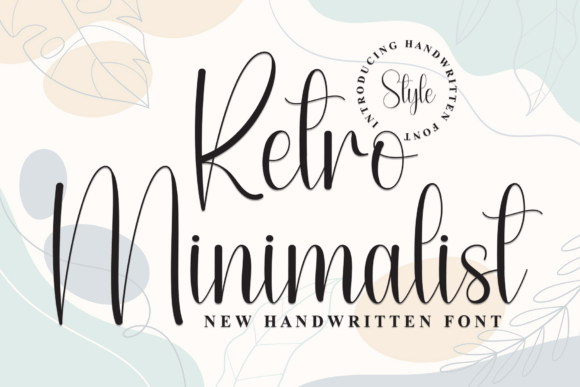
In a digital landscape saturated with sleek minimalism, there's a powerful resurgence of designs that celebrate warmth, authenticity, and a distinct sense of history. Stepping into this golden glow of nostalgia is Retrogram, a stunning monoline script font that embodies the carefree elegance of mid-century signage. This typeface isn't just a collection of letters; it's a strategic creative asset designed to inject immediate character and charisma into any project, from a bold movie title to an iconic brand logo.
The Anatomy of Authentic Charm
Retrogram distinguishes itself through meticulous craftsmanship. Each curve and stroke dances with a fluid, effortless rhythm, a quality that speaks directly to the principles of effective visual design. In graphic design, a font's personality is a core component of visual communication. Retrogram’s monoline structure ensures consistency and legibility, while its script style adds a human touch. This balance is critical for designers seeking to create work that feels both polished and personal. It doesn’t scream for attention; it commands it through confident, glowing presence, making it a versatile tool for enhancing visual hierarchy in layouts where a headline needs to anchor the composition.
Practical Applications Across Design Disciplines
The true value of a creative asset like Retrogram lies in its adaptability. Its vintage-inspired aesthetic can be strategically deployed across numerous design contexts to strengthen brand identity and improve user engagement.
- Branding and Logo Design: For brands targeting a heritage, artisanal, or Americana-inspired market, Retrogram can form the cornerstone of a memorable logo. It instantly communicates values of craftsmanship and tradition, helping a business stand out in crowded markets like craft brewing, boutique bakeries, or classic apparel.
- Marketing and Social Media: In digital marketing, capturing attention in a fast-scrolling feed is paramount. Retrogram excels in creating eye-catching social media graphics, promotional posters, and advertising campaigns. Its distinctive style boosts readability for key messages and adds a layer of professional presentation that elevates the entire campaign.
- Packaging and Editorial Design: On physical products, typography must communicate both information and emotion. Retrogram is ideal for packaging design, especially for labels, tags, and boxes where a vintage flair can enhance the perceived quality of the product. Similarly, in editorial design for magazines or blogs, it can be used for pull quotes or section headers to break up copy and add visual interest.
- Digital Environments: While a script font requires careful consideration for body text, Retrogram can be used sparingly but effectively in UI design for accent elements, such as promotional banners or stylistic headers on a webpage. It helps create a cohesive visual experience that aligns with a broader brand narrative, enhancing the overall user experience through thoughtful aesthetic choices.
Integrating Vintage Flair with a Modern Workflow
Employing a font like Retrogram effectively requires more than just application; it demands thoughtful integration into your design workflow. A key principle is context. Always consider your audience's expectations and the project's goals. For a tech startup, Retrogram might be used for a special holiday campaign rather than the primary interface font. For a diner's brand identity, it could be the perfect primary typeface.
Pairing is also essential. Balance Retrogram's expressive character with a clean, neutral sans-serif or a sturdy serif for body copy. This creates a clear visual hierarchy, ensuring your headline shines while supporting text remains highly readable. Furthermore, consider your color palette. Retrogram often pairs beautifully with muted earth tones, classic reds and blues, or sophisticated pastels, reinforcing the desired vintage or retro aesthetic. When evaluating any creative asset, test it across different sizes and mediums to ensure it maintains its integrity and readability, whether on a small mobile screen or a large-format print.
Ultimately, the tools a designer chooses are the building blocks of visual storytelling. A high-quality typeface like Retrogram is more than a decorative element; it is a conduit for emotion, history, and personality. By making intentional design choices—selecting assets that align with brand values, resonate with the target audience, and enhance communication—creators can build more compelling, cohesive, and professional visual narratives. In the end, thoughtful design is what transforms a simple message into a lasting impression.