Retro Minimalist: Blending Timeless Charm with Modern Design
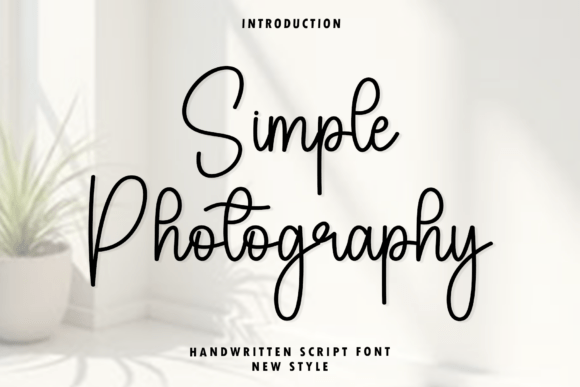
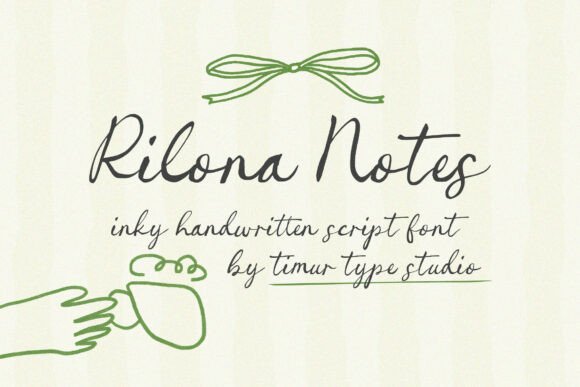
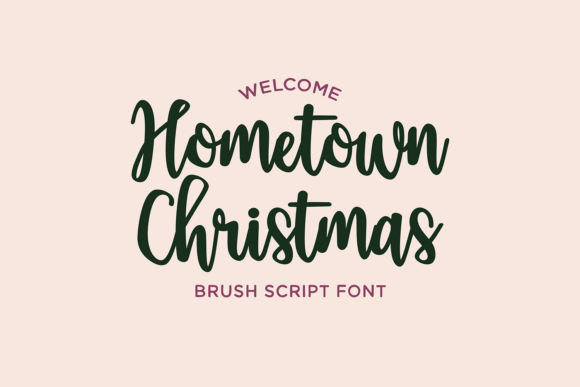
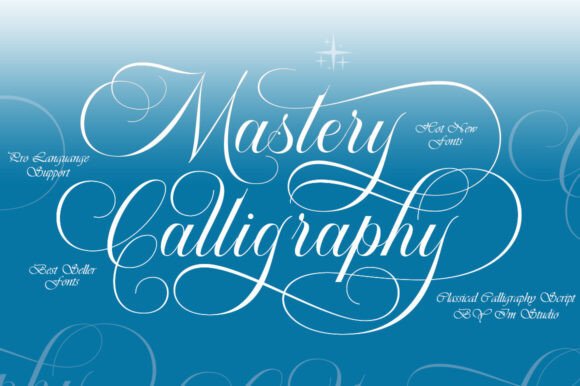
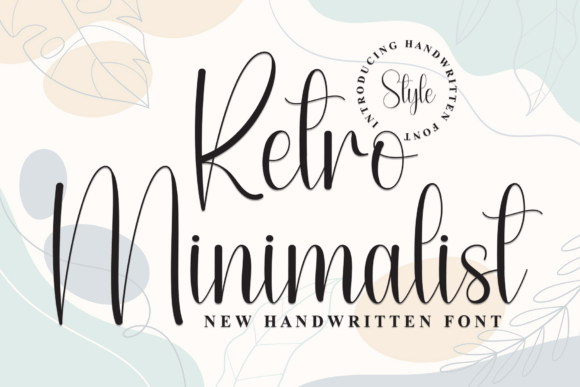
There’s a certain magic in designs that feel both familiar and fresh, where a single typeface can set the entire mood for a project. The Retro Minimalist font perfectly captures this balance, offering a stylish handwritten script that blends elegance with a playful, approachable character. Its flowing curves and natural rhythm make it a versatile creative asset, ideal for adding a personal, charming touch to everything from wedding invitations to sophisticated branding and engaging social media graphics.
Understanding the Retro Minimalist Aesthetic in Typography
In modern graphic design, the choice of typography is a fundamental pillar of visual communication. Retro Minimalist represents a design trend that leverages the warmth of handcrafted letterforms with the clean, uncluttered principles of minimalism. This combination is powerful because it creates immediate visual appeal without sacrificing readability or professionalism. For designers, this means having a tool that can convey warmth, sophistication, and creativity in a single stroke, enhancing the overall user experience and brand perception.
Its design philosophy aligns with contemporary aesthetics where authenticity and personal connection are highly valued. Unlike overly ornate scripts or stark, impersonal sans-serifs, this font style provides a middle ground that feels human and intentional. It helps establish a clear visual hierarchy, guiding the viewer’s eye naturally while reinforcing the desired emotional tone of the design.
Practical Applications for Creative Professionals
The true value of any creative asset lies in its application. Retro Minimalist excels across a wide range of projects, making it a valuable addition to any designer’s toolkit. Its graceful design ensures it enhances rather than overwhelms, making it suitable for both digital and print design contexts.
Consider integrating this font into the following areas:
- Branding and Logo Design: It can form the cornerstone of a brand identity for businesses in lifestyle, beauty, artisanal food, or boutique services, conveying a story of care and quality.
- Marketing Materials: From brochures and flyers to digital ads, it adds a personal touch that can increase engagement and make messages feel more direct.
- Social Media Content: Perfect for Instagram stories, Pinterest pins, or quote graphics, it helps content stand out in a crowded feed with its distinctive character.
- Website and UI Design: Used strategically for headings, logos, or accent text, it can inject personality into a web design without compromising the clean structure of the user interface.
- Packaging Design: Ideal for product labels, hang tags, and gift wrap, it communicates craftsmanship and attention to detail, elevating the unboxing experience.
- Editorial Layouts and Presentations: It brings elegance to magazine layouts, lookbooks, or professional presentations, helping to tell a visual story with sophistication.
Tips for Effective Integration and Evaluation
When incorporating a distinctive typeface like Retro Minimalist, thoughtful evaluation is key to maintaining design integrity. First, assess its compatibility with your existing brand system. Does its personality align with your core values and color palette? Test its scalability—how does it render at very small sizes on a mobile UI or large on a billboard?
Always consider your audience’s expectations. A playful script might be perfect for a children’s brand but could undermine the authority of a corporate financial service. Pair it wisely with more neutral typefaces for body text to ensure readability and create a balanced composition. The goal is to use it as a strategic accent that enhances your message, not as a distraction that complicates it.
Ultimately, the strength of a design project lies in the cohesion of its elements. Thoughtful choices in typography, color, and imagery work in concert to deliver a polished, professional result. By selecting high-quality creative assets like the Retro Minimalist font, you invest in tools that not only beautify your work but also clarify communication, strengthen brand identity, and create a more resonant and effective visual experience for your audience.