Boldinda: The Bold Script Font for Impactful Design
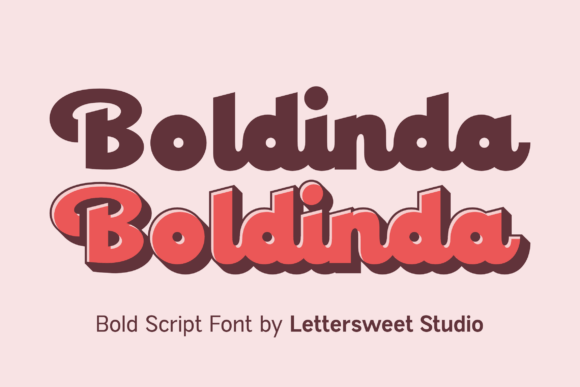
Every designer knows the challenge: finding a typeface that commands attention without shouting, one that feels both fresh and familiar. Boldinda, a thick, eye-catching script font, is engineered to solve that problem. Designed to inject warmth, confidence, and personality into any project, it blends retro charm with a modern playful twist, making it an invaluable asset for designs that need to stand out instantly.
Understanding Boldinda's Design DNA
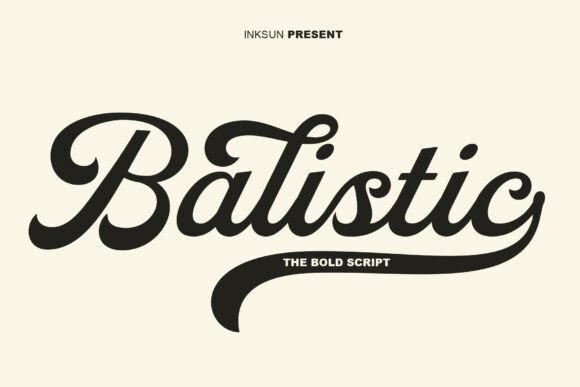
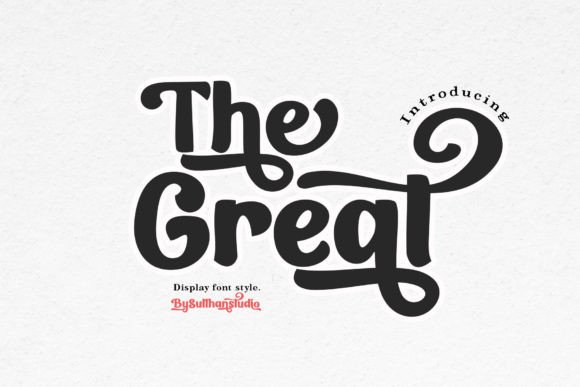
At its core, Boldinda is a bold script typeface defined by its strong letterforms, smooth curves, and soft rounded edges. This combination creates a natural handwritten rhythm that feels both powerful and approachable. Unlike overly ornate scripts, its chunky structure ensures high visual impact without sacrificing readability—a critical balance in effective visual communication. The font’s stylish curves and bold strokes give it a unique personality that can elevate a brand’s visual identity from ordinary to memorable.
This typeface excels in contexts where you need to make a statement. Its visual hierarchy is inherently strong, making it perfect for headlines and logos that must draw the viewer's eye first. When integrated into a broader color palette and composition, Boldinda can anchor a design with its confident presence, allowing other elements to support its message.
Practical Applications Across Design Disciplines
The versatility of a font like Boldinda makes it a powerful tool across numerous creative projects. Its design is optimized for both print and digital environments, offering consistent performance wherever it’s used.
- Branding & Logo Design: It creates a distinct and friendly brand voice, ideal for logos, business cards, and brand guidelines that aim for a retro or vintage theme with modern appeal.
- Marketing & Social Media: For social media graphics, YouTube thumbnails, and digital marketing assets, Boldinda delivers the quick, impactful messaging needed to stop the scroll. Its legibility at various sizes makes it perfect for posters and advertising campaigns.
- Packaging & Merchandise: In packaging design, stickers, and labels, its bold strokes communicate quality and personality. It’s equally effective for t-shirt designs and creative merchandise where typography is a key visual element.
- Editorial & Web Layouts: While primarily a display font, it can be used sparingly in editorial design for pull quotes or section headers. In web design and UI/UX design, it can accentuate call-to-action buttons or hero sections, provided it’s paired with a highly legible body font.
Tips for Effective Implementation
Selecting a font is only the first step; using it effectively is what truly enhances a design. Consider these factors when working with Boldinda or any bold script typeface:
- Prioritize Readability & Scale: Test the font at the intended size. While Boldinda is designed for clarity, ensure its intricate curves remain distinct in smaller applications like mobile UI elements.
- Master Font Pairing: To maintain a professional presentation, pair Boldinda with a clean, neutral sans-serif font. This creates a balanced visual hierarchy, allowing the script to shine as a headline or accent font without overwhelming the viewer.
- Respect the Brand System: Evaluate how the font’s personality aligns with your overall brand identity and design goals. Its friendly, confident character may not suit ultra-corporate or minimalist aesthetics, but it’s perfect for brands wanting to convey approachability and creativity.
- Consider Context & Audience: Understand your audience’s expectations. A playful script works wonderfully for consumer products, entertainment, and lifestyle branding, but may need more restrained application in formal contexts.
Ultimately, the power of a typeface like Boldinda lies in its ability to transform text into a visual experience. Thoughtful design choices—considering typography, color, and composition together—build cohesive and compelling narratives. Investing in high-quality creative assets is not merely about aesthetics; it’s about choosing tools that communicate more effectively, strengthen your message, and resonate with your audience on a deeper level.